
The flurry of September is over and teachers and students are getting down to the real project of learning. I know this even though this is the first time in eight years that I have not watched a whole new set of small people enter my classroom and wondered what would ignite them. Even though I now see my students after school, just the two of us, at a single desk in their bedrooms, I know. Ahead there will be triumphs and mistakes, successful projects and things that are just not working, tight schedules and scrambles to prepare – and an amazing amount of growth happening in millions of minds.
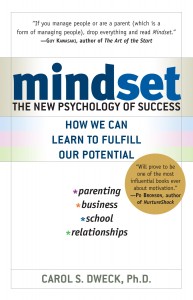
I first heard the word Mindset four years ago when I began my work as an organizational tutor and consultant. The term was still a new one. My supervisor simply suggested I read Carol Dweck’s book, Mindset, in setting up my approach with my young clients, many of whom were already frustrated with learning and had doubts about their own abilities. I was deeply moved by the simple but powerful premise:
Seeing one’s intelligence as a fixed trait causes a learner to shut down in many ways which blossom when the same child is taught the truth – that our brains are plastic and by their very nature grow stronger with hard work and practice.
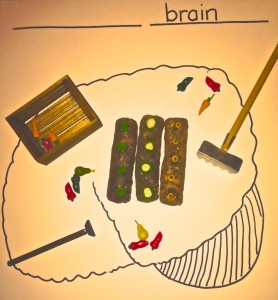
Since then, a child’s mindset has been my first focus when beginning a new working relationship – and over and over I have witnessed what happens when a young learner relaxes into the idea that they can grow. Where before the presentation of a challenging activity caused shrinking back, silly behavior or disengagement, now the child honestly remarks that they need to work on a skill or points out how much better they have become with practice. They begin to reflect on the next level and wonder just what they might be capable of.
Just this evening I listened to a young boy I had begun work with when he was three – he just began kindergarten – read. In a clear firm voice he read his way down a page of sentences and remarked, “I can really read – this is easy!” I thought back to when we first started, a little over two years ago, when he was all over the room. I had to tread carefully and introduce challenge very gently. He would become very frustrated when asked to write his name, claiming he wasn’t good at it. He’d been shouting too much in frustration – his voice was raspy and harsh and his speech therapist was urgent that he must stop. He didn’t know many of his letters – and the truth was, he didn’t want to. Little by little, as I pointed out his strengths – his strong number four, the wonderful way he could draw a ship – and agreed honestly with him that his letters did need some work, something happened: he began to try. He tried and he noticed what happened, and I showed him how he grew a little bit each time. Tonight was a big one.
“Remember those alphabots your mom got you?” I asked. “Because you didn’t know your letters.”
“Yeah,” he mused. “And now I can read.” He thought and then said, “But it’s funny because I can read this – but I can’t read, like, books!”
“Not yet,” I told him, “but I promise by the end of this year you’ll be saying, ‘Remember when I couldn’t read this book?”
I could see that he believed me.
I have found that my relationships with my young learners become more natural and authentic when we are both aware of the areas that are strengths and those that need to grow. Rather than pushing my students to do something that feels “too hard” we wait until we both feel excited and motivated by the opportunities for growth. Rather than falling into the trap of empty praise – the ubiquitous “good job!” that slips out so easily when teaching, I can frankly point out the places where new growth happened and the growth is its own reward.
In the meantime, Mindset has become a hot topic. In the last few year it has popped up everywhere in my work – it was the theme of a newsletter to parents at a client’s school last spring, a topic for discussion at an info session attended for a new Mind, Brain and Education based school currently in development in Brooklyn, the focus of my professional development conference and subsequently the topic of my two-year school-wide mindset project I conducted with preschoolers at the Red Hook Playgroup. More to come on this project as I continue to explore mindset and what it looks like on the ground in my actual work with children in upcoming posts.
But before that I would love to know your thoughts and ideas on this powerful idea – that simply shifting a child’s idea of their abilities can change the way they learn. I look forward to your comments! Learn more by clicking on the book below: